Best AI Real-time Translation Tools 2026: From OpenAI Realtime to BibiGPT, Which One Wins Daily Use
Best AI Real-time Translation Tools 2026: From OpenAI Realtime to BibiGPT, Which One Wins Daily Use
Compiled May 16, 2026. Every tool was evaluated against public benchmarks and official docs.
2026 is the year AI real-time translation became “everyday usable.” OpenAI shipped GPT-Realtime-Translate in May (70+ languages, sub-second latency). Google embedded Live Translate in Pixel system. Apple Translate 18 added simultaneous translation in iOS 19. BibiGPT extended translation deep into long-video and podcast workflows. For most users, “which model is fastest?” isn’t the real question. “Which scenario do I actually use every day?” is. This roundup gives recommendations by real use case.
Practical rule: Pick a tool by scenario first. Live meetings, long-video review, cross-platform learning, enterprise batch — all four scenarios have different winners.
1. How We Evaluate
Five dimensions, 0–10 each:
- Latency: from first spoken word to translated output
- Accuracy: comprehension, terminology consistency, multi-speaker handling
- Language coverage: number of input/output languages
- Workflow integration: can you export, archive, sync across devices
- Price: real monthly cost for sustained daily use
Sources: OpenAI May 2026 changelog, VentureBeat testing, Google blog announcement, official sites, community reviews.
2. OpenAI GPT-Realtime-Translate: The API Route
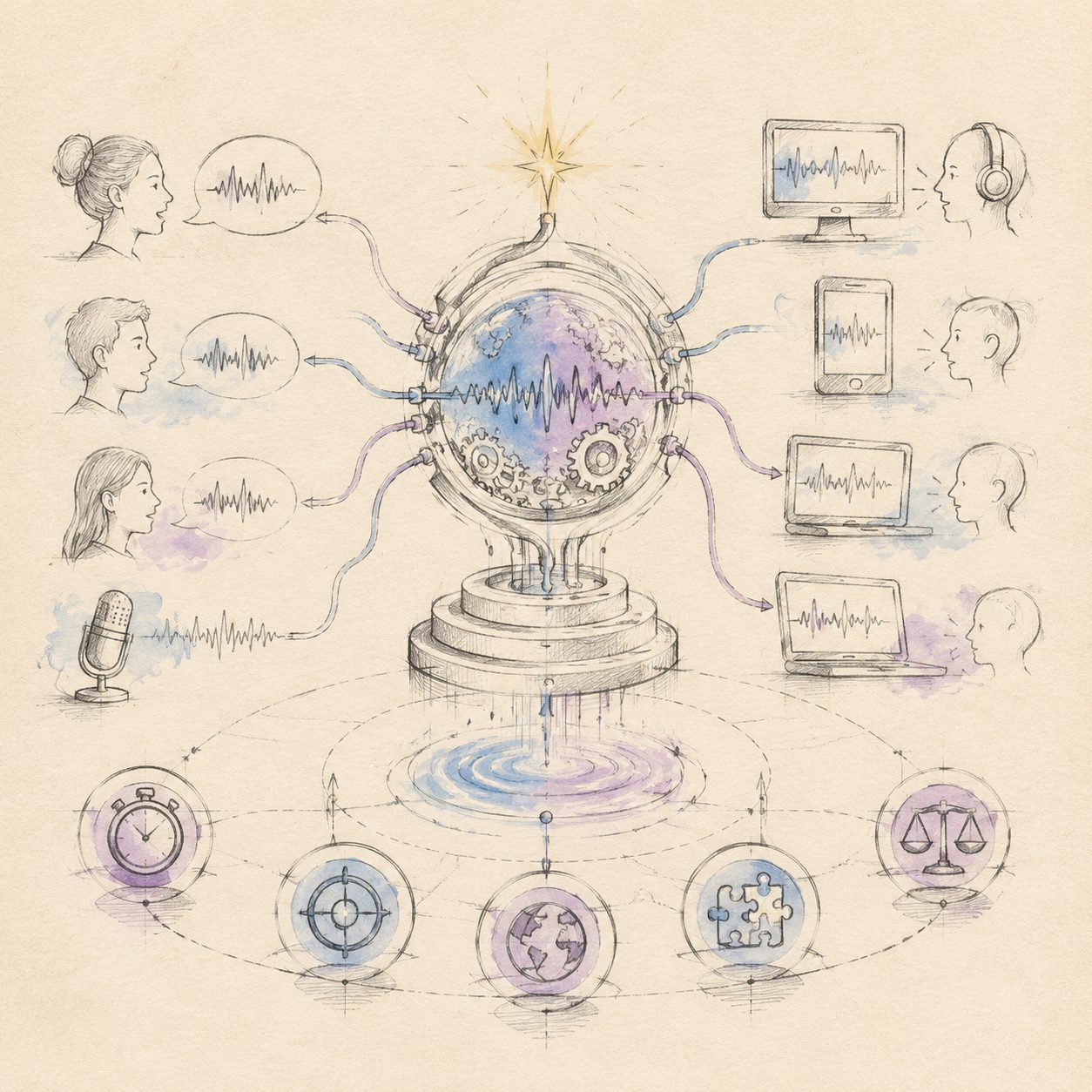
OpenAI’s May 2026 release is the strongest API path today. 70+ input languages, 13 output languages, sub-second latency.
Strengths: Top-tier model. Works for meetings, calls, livestreams. Developers can drop the API into any product.
Weaknesses: It’s an API, not a product. Consumers need code to use it. Per-minute price is 4–6× a standard Whisper call — handing this raw to end users creates billing surprises.
| OpenAI Realtime-Translate | |
|---|---|
| Latency | 9/10 (~0.8s) |
| Accuracy | 9/10 |
| Coverage | 10/10 (70+ inputs) |
| Workflow | 4/10 (DIY) |
| Price | 5/10 (≈ $0.05–0.1/min) |
Practical rule: When evaluating an API, always ask “will 99% of my users write code to use this?” If no, you need a productized layer.
3. Google Live Translate (Gemini Intelligence): The System Route
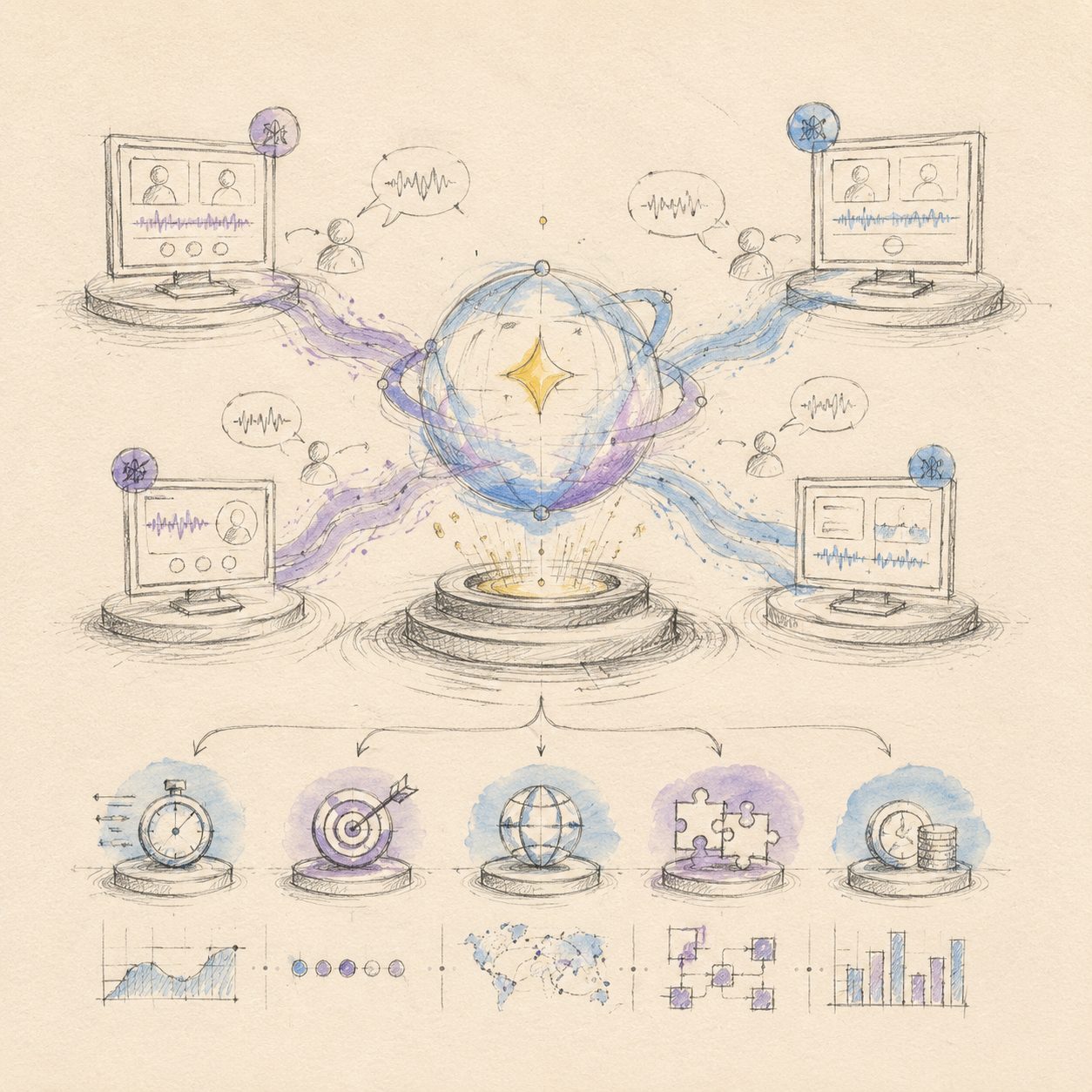
Google pushed Gemini Intelligence to Pixel and Samsung Galaxy in May 2026. Live Translate sits at the system layer — calls, video meetings, screen captions all translate in real time.
Strengths: Zero friction. Open the app, it works. Pixel users get it for free.
Weaknesses: Ecosystem lock-in. Non-Android users can’t access it. Roughly 50 languages (less than OpenAI). No archiving or export — translations vanish after the call.
| Google Live Translate | |
|---|---|
| Latency | 9/10 |
| Accuracy | 8/10 |
| Coverage | 7/10 |
| Workflow | 5/10 (Google-only) |
| Price | 9/10 (free on Pixel) |
4. Apple Translate 18: The Hidden iOS Champion

Apple’s iOS 19 update bakes simultaneous translation deep into the Translate app. FaceTime gets live bilingual captions, Safari has live page translation, Podcasts app has translated subtitles.
Strengths: On-device privacy. Zero friction for iOS users.
Weaknesses: Same ecosystem lock-in. About 35 languages. Almost no export.
| Apple Translate 18 | |
|---|---|
| Latency | 8/10 |
| Accuracy | 7/10 |
| Coverage | 6/10 |
| Workflow | 4/10 |
| Price | 10/10 (free in iOS) |
5. BibiGPT: The Long-Form + Workflow Route
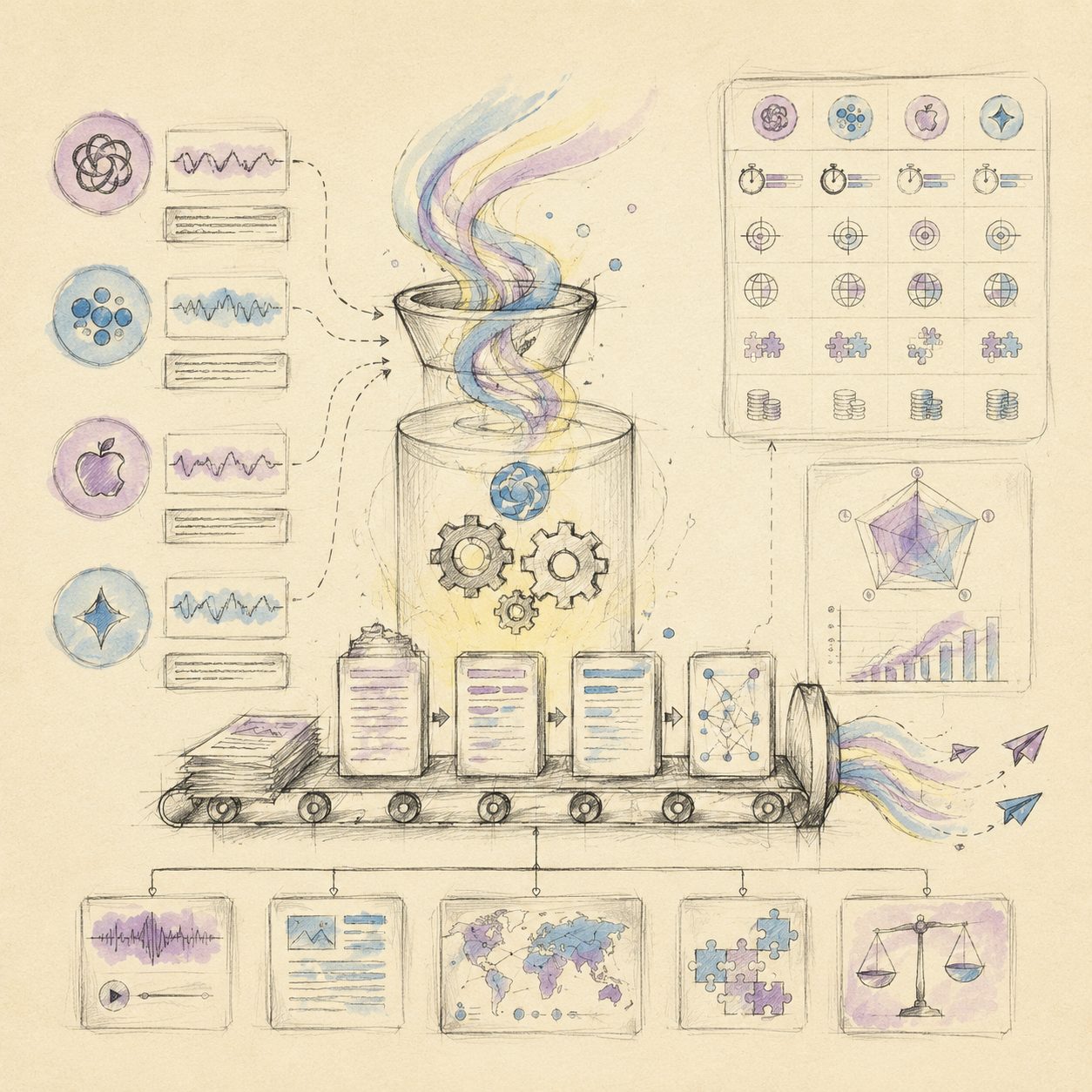
BibiGPT doesn’t fight for live captions. We embedded translation into long-video + podcast + knowledge capture workflows.
Strengths:
- Paste YouTube / Bilibili / podcast URL → 3–10 minutes for bilingual subtitles + AI summary
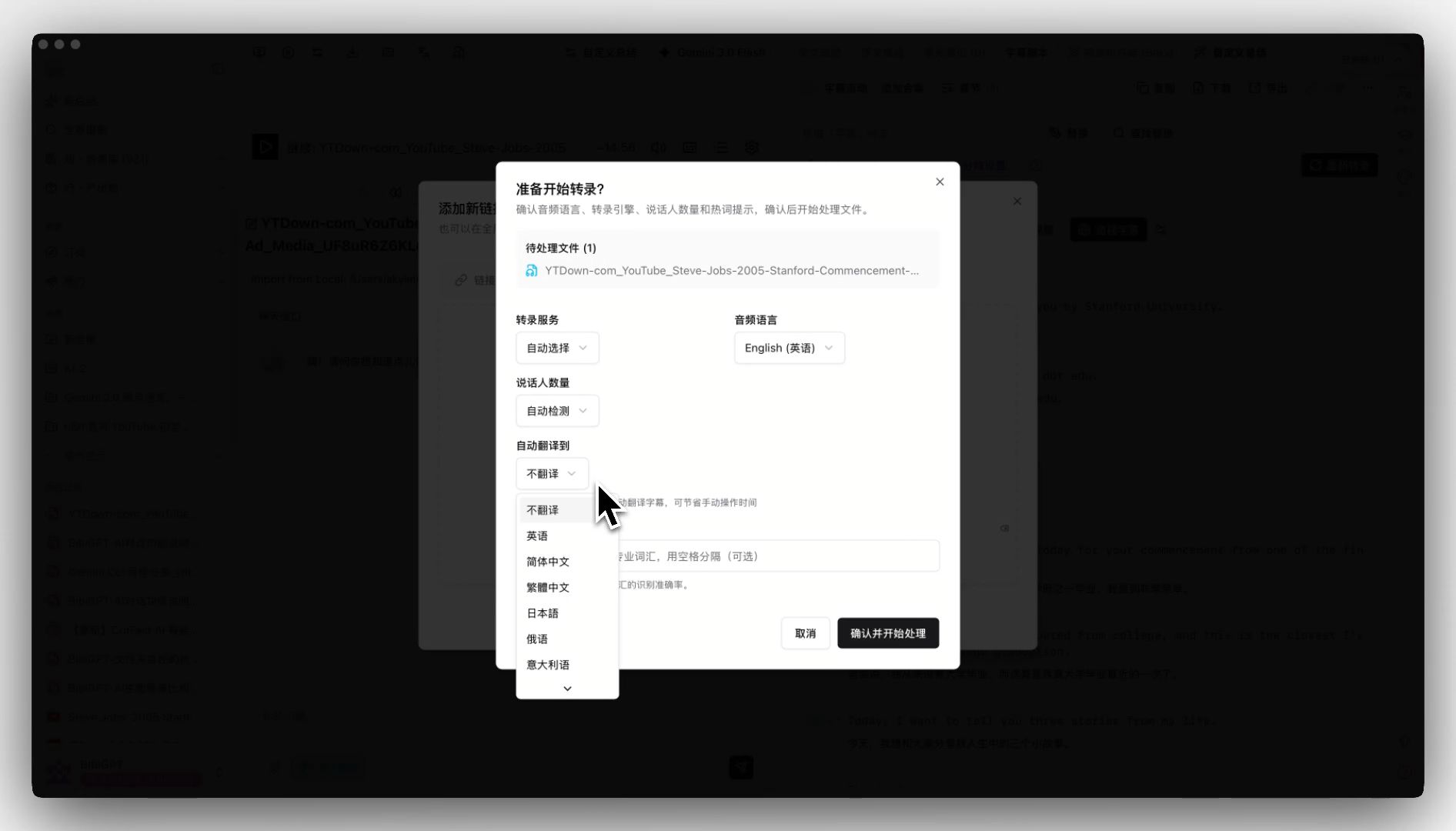
- Auto-translate on upload lets you set the target language up front
- 30+ platforms supported natively, including Baidu Drive, Aliyun Drive, Dropbox
- One-click sync to Notion / Obsidian / local folders
- Trusted by over 1 million users, with 5 million+ AI summaries generated
Weaknesses: Not real-time. Historical content is our strength; live captioning isn’t the focus.
| BibiGPT workflow | |
|---|---|
| Latency | 6/10 (3–10 min, not live) |
| Accuracy | 9/10 |
| Coverage | 9/10 (30+ inputs, 4 major outputs) |
| Workflow | 10/10 |
| Price | 9/10 (~$0.10/hr under plan) |
Practical rule: Real-time “speed” is a feature attribute. Long-content “whole workflow” is a product attribute. The first solves one-off needs; the second solves daily, persistent needs.
6. Recommendations by Scenario
A YouTube walkthrough of BibiGPT’s long-content workflow:
https://www.youtube.com/embed/SbgNX3sMSXQ
| Scenario | Pick | Notes |
|---|---|---|
| Live meetings captions | OpenAI Realtime-Translate (dev) / Google Live Translate (Pixel) | Depends on user type |
| Pixel/Android call translation | Google Live Translate | Zero friction |
| iPhone FaceTime translation | Apple Translate 18 | System-level |
| YouTube/Bilibili language learning | BibiGPT | One-click bilingual + summary |
| English podcast notes | BibiGPT | Bilingual + Notion sync |
| Cross-cloud video transcription | BibiGPT | 30+ unified entry |
| Enterprise batch subtitles | BibiGPT API | Quota + audit logs |
7. Frequently Asked Questions
Q1: Does OpenAI Realtime-Translate really have 70 languages?
Per the OpenAI May 2026 changelog, input supports 70+ languages, output 13 major languages. Accuracy varies by language pair; mainstream pairs (EN-CN, EN-JA, EN-ES, etc.) are strongest.
Q2: Why doesn’t BibiGPT do live captions?
Live captioning is a platform-native strength (YouTube, Twitch). We believe BibiGPT users’ long-term value sits in “post-stream deep replay + knowledge capture” — exactly what platforms don’t do.
Q3: OpenAI API or BibiGPT?
If you’re a developer embedding translation in your product → OpenAI API. If you’re a user wanting “paste URL, get translation” → BibiGPT. They aren’t competitors.
Q4: Is Google Live Translate free?
Free for Pixel owners. Samsung Galaxy rollout starts second half of 2026.
Q5: Which tool handles Chinese best?
Both OpenAI Realtime-Translate and BibiGPT excel at Chinese. BibiGPT’s team built the product around Chinese first — slang, regional terms, and industry jargon are notably stronger.
Q6: Best for enterprise batch?
BibiGPT API access. Enterprise accounts, quota management, SSO. Unit cost lower than calling OpenAI Realtime directly.
Q7: Can I combine OpenAI Realtime and BibiGPT?
Yes. Use OpenAI Realtime for live captions during meetings; use BibiGPT to archive and summarize the recording after. They’re workflow-complementary.
8. Make Translation Part of Your Workflow
If your day is “watch foreign-language long videos, learn another language, archive content across platforms” — try bibigpt.co. Paste a YouTube URL; three minutes in, you’ll feel the workflow value.
Further reading: GPT-Realtime-2 vs BibiGPT Real-time Translation 2026 · Complete Video-to-Text Guide (2026 Update)
— BibiGPT Team