Methodology
Free AI guides — summarize YouTube, Bilibili, podcasts & lectures in 30 seconds. Tool comparisons, hands-on tutorials, and BibiGPT release notes.
-
Methodology ·
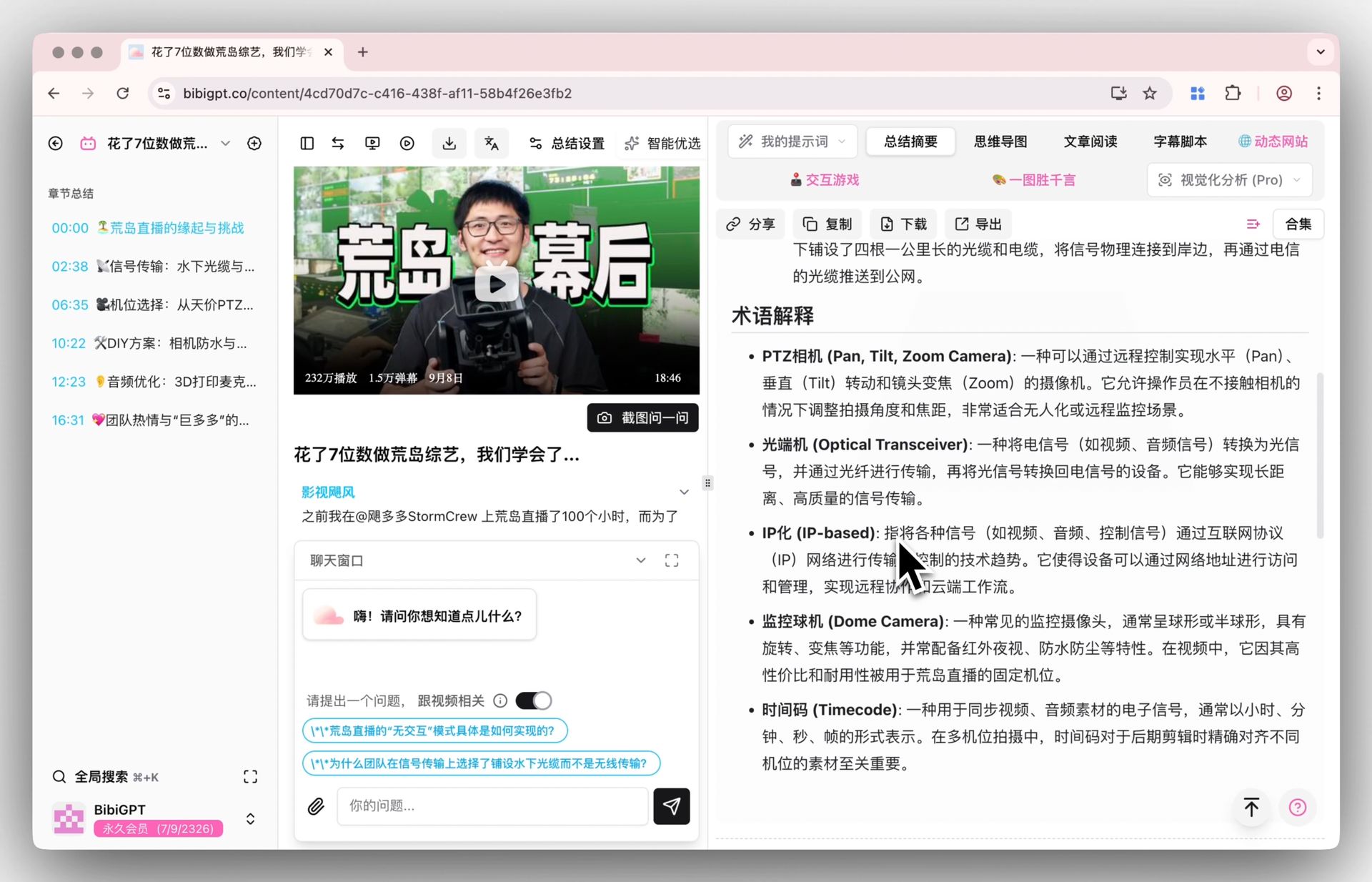
Claude Opus 5 Is Here: Will a Stronger Model Make AI Video/Podcast Summaries Better?
Anthropic released Claude Opus 5 in July 2026, bringing a 1-million-token context window and a higher reasoning tier. The model got smarter — but does that automatically mean better AI video and podcast summaries? This post breaks down the methodology: what actually determines summary quality is often not the model itself.
-
Methodology ·
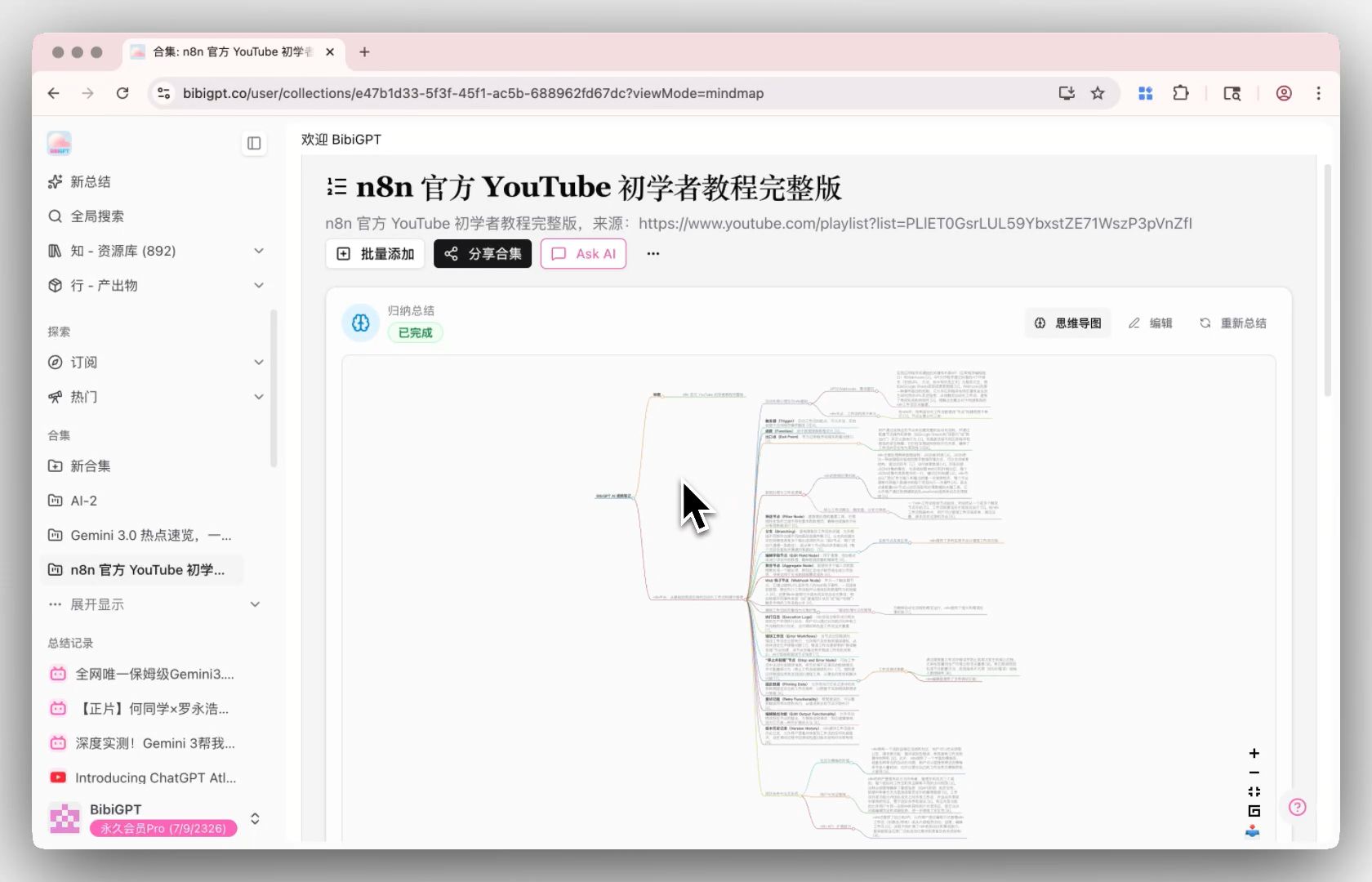
Finish Coursera Fast: A 3-Step AI Summary Method (2026)
Exam season with dozens of Coursera videos left? Use AI summaries to map the whole course, watch only high-value videos at 2x, and review with flashcards.
-
Methodology ·
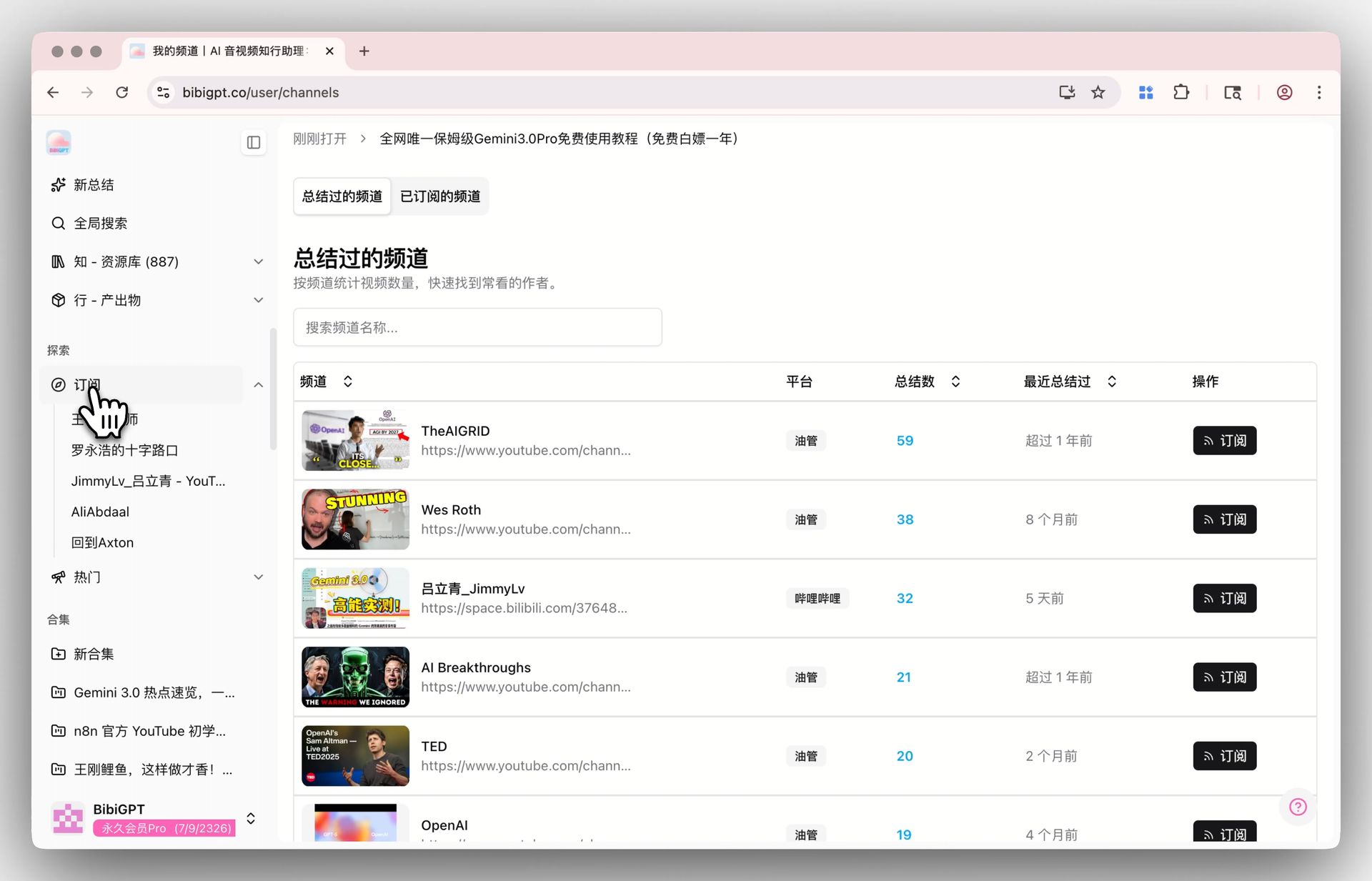
Subscribed to Dozens of Channels but Can't Keep Up? An AI-Powered Source-Digest Workflow That Watches and Summarizes for You (2026)
You follow dozens of creators and YouTubers, but opening every new video one by one is hopeless. Here's a practical method: let AI watch the creators you follow, auto-summarize new content into key points, and turn 'keeping up' from passive scrolling into active fishing — a source-digest workflow built to compound over time.
-
Methodology ·
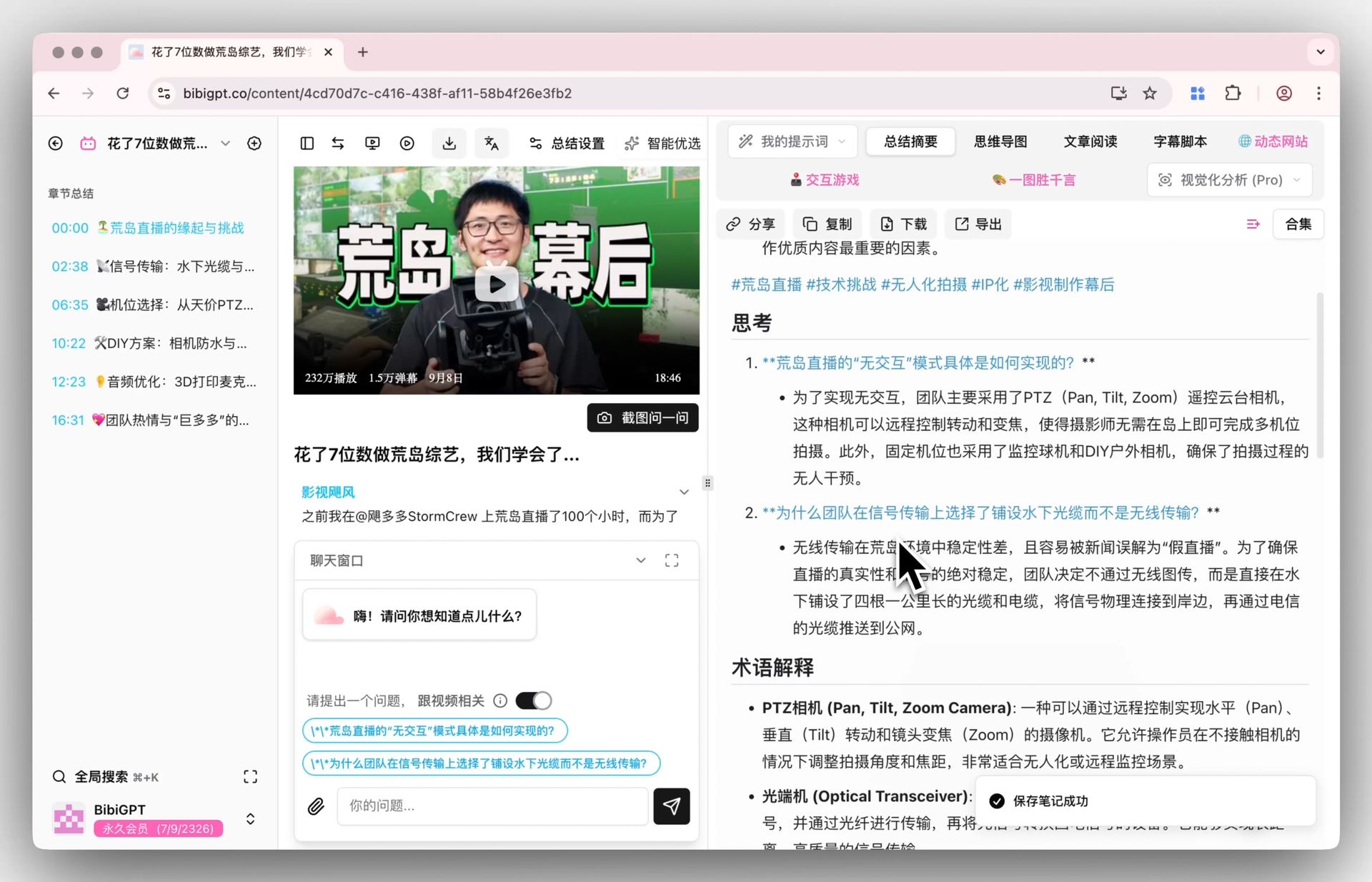
Turn Long Videos and Podcasts into Structured Reading Notes: An AI-Era Knowledge Method (2026 PKM Playbook)
A repeatable method: use AI to systematically turn long videos and podcasts into structured, searchable, reusable reading notes. Covers three core moves — progressive summarization, atomic notes, and backlinking into a knowledge base (Notion / Obsidian) — to turn 'content you watched' into 'knowledge you can use.'
-
Methodology ·
Turn One Video into 10 Content Formats: The Complete AI Video Content Repurposing Workflow for 2026
How can one video become an article, mind map, social post, and 10 other content formats? This guide walks through the 2026 AI video content repurposing workflow — using BibiGPT to go from a single video to multi-format output with a complete methodology.
-
Methodology ·
DeepSeek V4 (1M Context, MoE) Long-Video Subtitle Workflow × BibiGPT Methodology 2026
DeepSeek V4 Preview shipped 2026-04 with a 1M token context window + MoE architecture — perfect for the 'swallow a 3-hour video transcript whole' workflow. This article unpacks how to make DeepSeek V4's 1M window actually serve long-video summarization with the BibiGPT methodology.
-
Methodology ·
Adding Video to Your Second Brain: A BibiGPT × Obsidian / Notion 4-Step Workflow (2026)
You subscribed to 50 YouTube channels, follow 8 podcasts, bookmarked 200 Bilibili videos — but all you remember is impressions. This article uses Tiago Forte's Second Brain framework (CODE: Capture / Organize / Distill / Express) to fold high-density-but-hard-to-reuse video content into your Obsidian / Notion knowledge base, so any video can resurface when you need it. BibiGPT is the entry point.
-
Methodology ·
Feynman Learning Method for Bilibili Courses 2026: Turn Long Videos Into Retrievable Memory
Bilibili hosts an enormous library of free, high-quality Chinese-language courses, but 'watch and forget' is the default outcome. This guide unpacks a complete three-stage Feynman method — 3-Pass notes, teach-back, and retrievable memory — built around BibiGPT, and explains why NotebookLM Audio Overview falls short for Chinese long-form video learning.
-
Methodology ·
Build a Personal Knowledge Graph from Videos: The BibiGPT Method (2026)
Turn scattered video notes into a connectable knowledge graph — the core 2026 productivity upgrade for knowledge workers. Four-step method: atomic notes, entity extraction, relationship linking, graph visualization. Pair BibiGPT with Obsidian/Tana to compound 100 hours of online courses into a lifetime knowledge asset.
-
Methodology ·
Turn Meeting Recordings into Actionable Tasks: The BibiGPT 5-Step Method 2026
Got a 90-minute meeting and three pages of recording you skimmed for 30 seconds and gave up on? Real pain point for most knowledge workers and remote teams. This guide shows the BibiGPT 5-step method: link paste → AI summary → action-item extraction → Notion/Obsidian sync → execution tracking. From meeting end to task list — 8 minutes end-to-end, with concrete PKM and collaboration tool setups.
-
Methodology ·
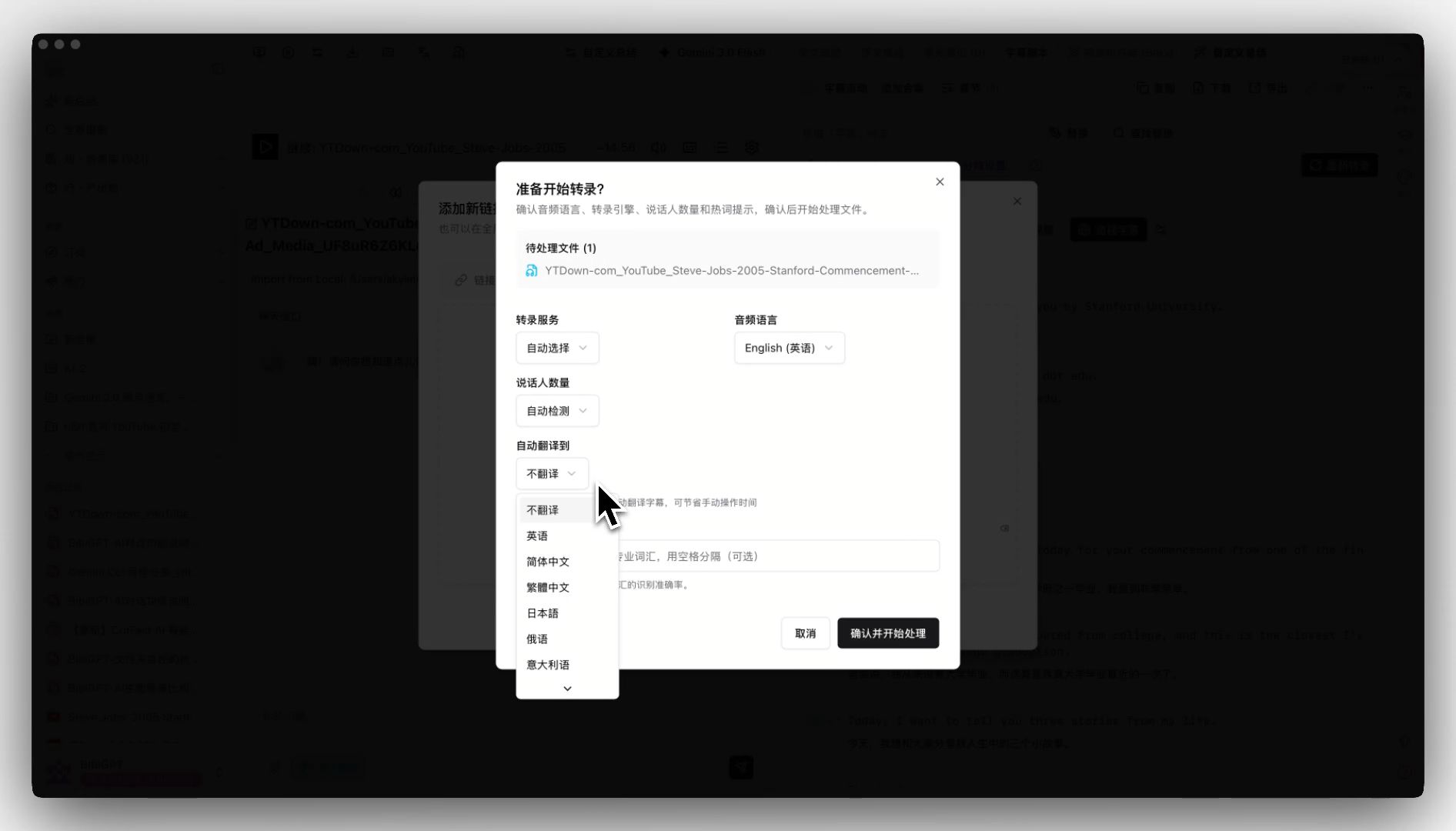
How to Build a Video Learning Workflow With BibiGPT (2026 Complete Methodology)
Turn YouTube, podcasts, and Bilibili from time sinks into a searchable, reviewable, archivable knowledge base. This is a real, repeatable five-stage workflow used by over 100,000 BibiGPT users.
-
Methodology ·
Cornell Note-Taking for AI Video Learning: The 2026 BibiGPT Method
Bring the Cornell Note-Taking System into AI video learning. Use BibiGPT to auto-fill the cue and notes columns; you focus on the summary column for true active recall.
-
Methodology ·
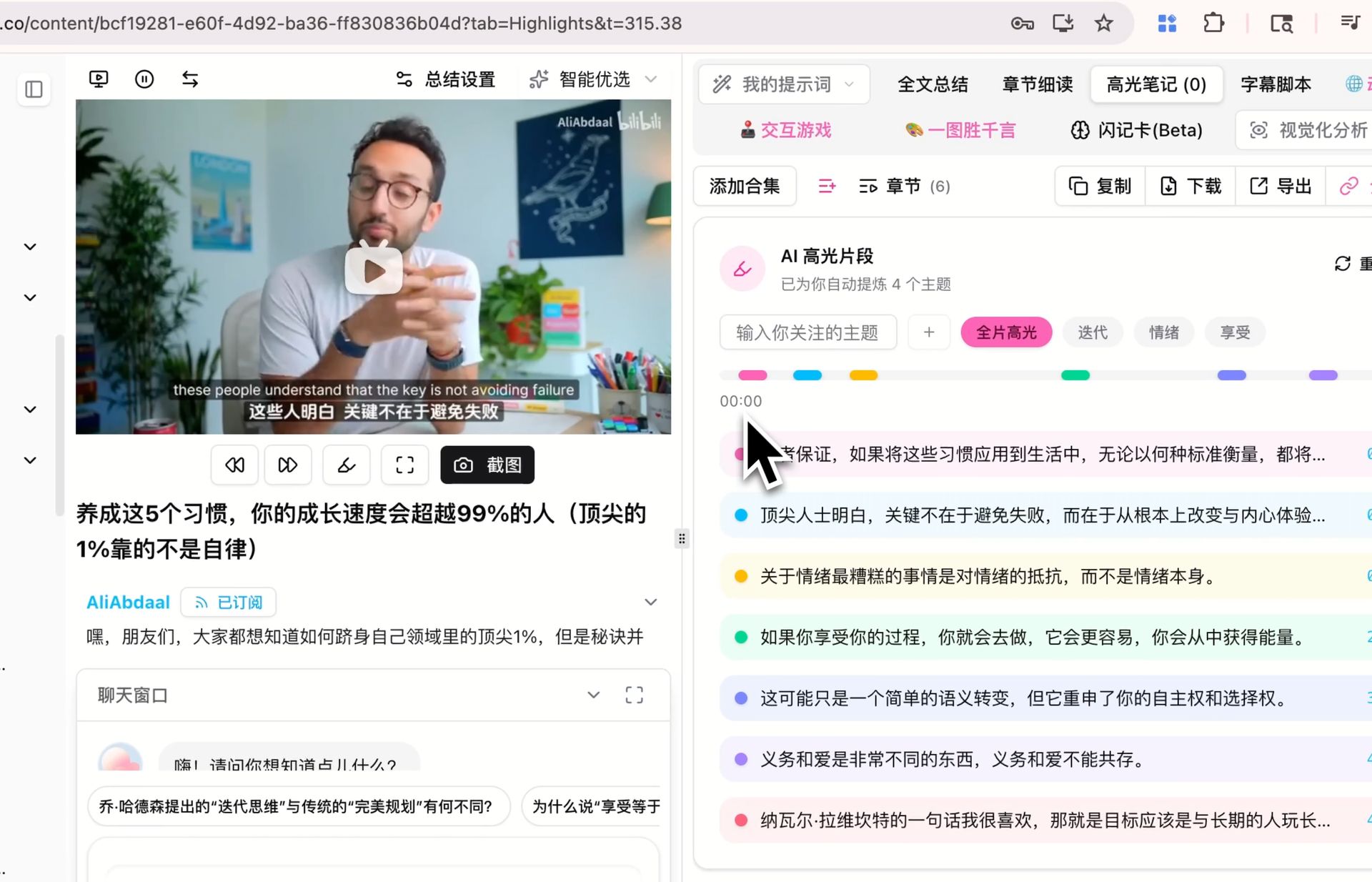
The Heavy Podcast Listener's Second Brain: Turning 20 Hours of Weekly Audio Into a Searchable Knowledge Base (Deep Work Workflow, 2026-05)
How do listeners of 20+ hours of long-form podcasts per week (Lex Fridman, Tim Ferriss, business interviews) turn audio into a searchable second brain? This guide gives a Deep Work-shaped PKM workflow: BibiGPT → deep summaries → AI highlights → Obsidian/Notion retrieval. 30 minutes a day to manage 20 hours of weekly audio learning.
-
Methodology ·
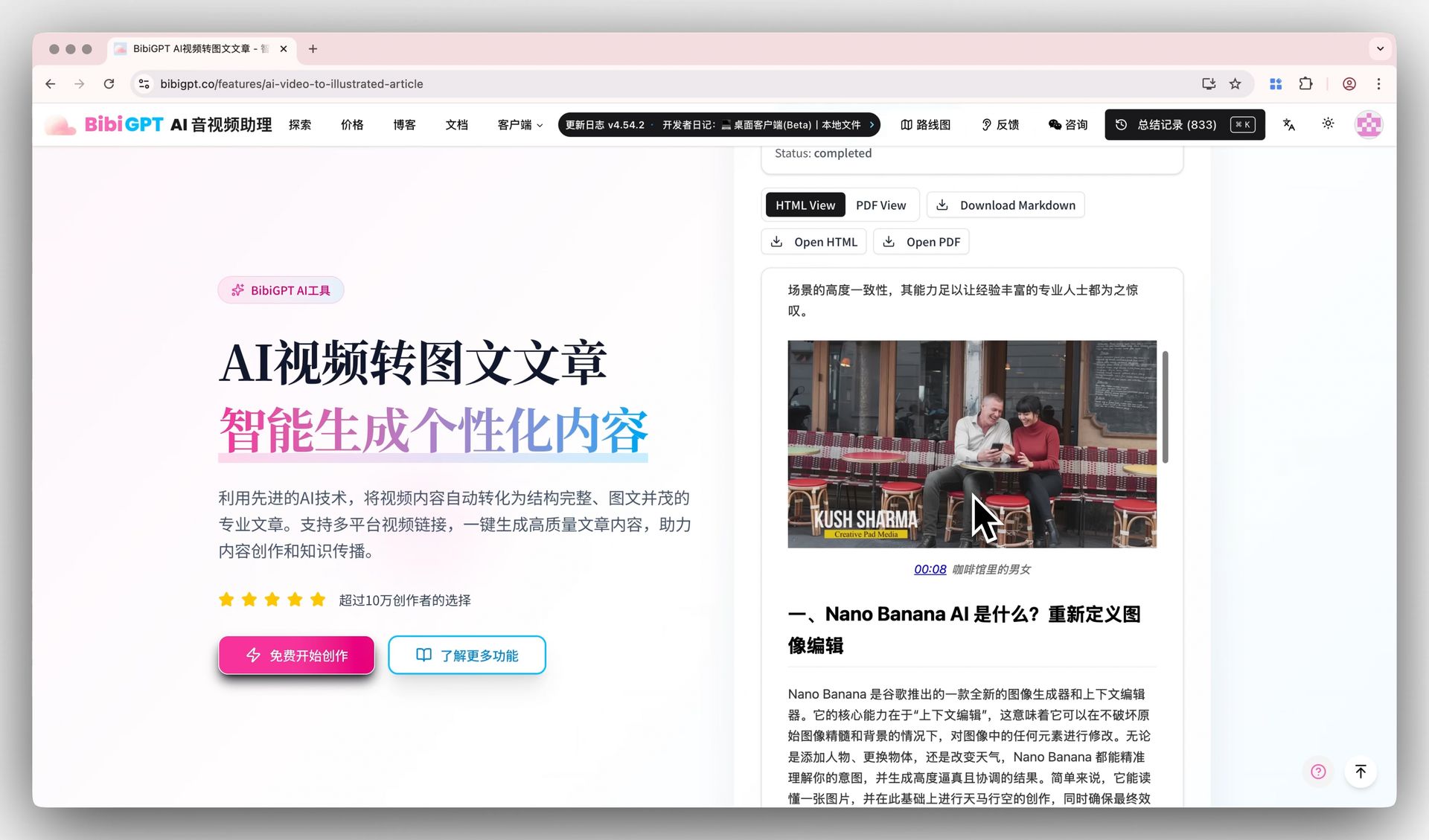
AI Notes + Active Recall (2026): Use BibiGPT to Push Video Learning Retention From 10% to 80%
A complete workflow combining AI video summary, flashcards, and spaced repetition with the Active Recall method. BibiGPT provides the entire pipeline from video to Anki cards to recall review — so you actually remember what you watched.
-
Methodology ·
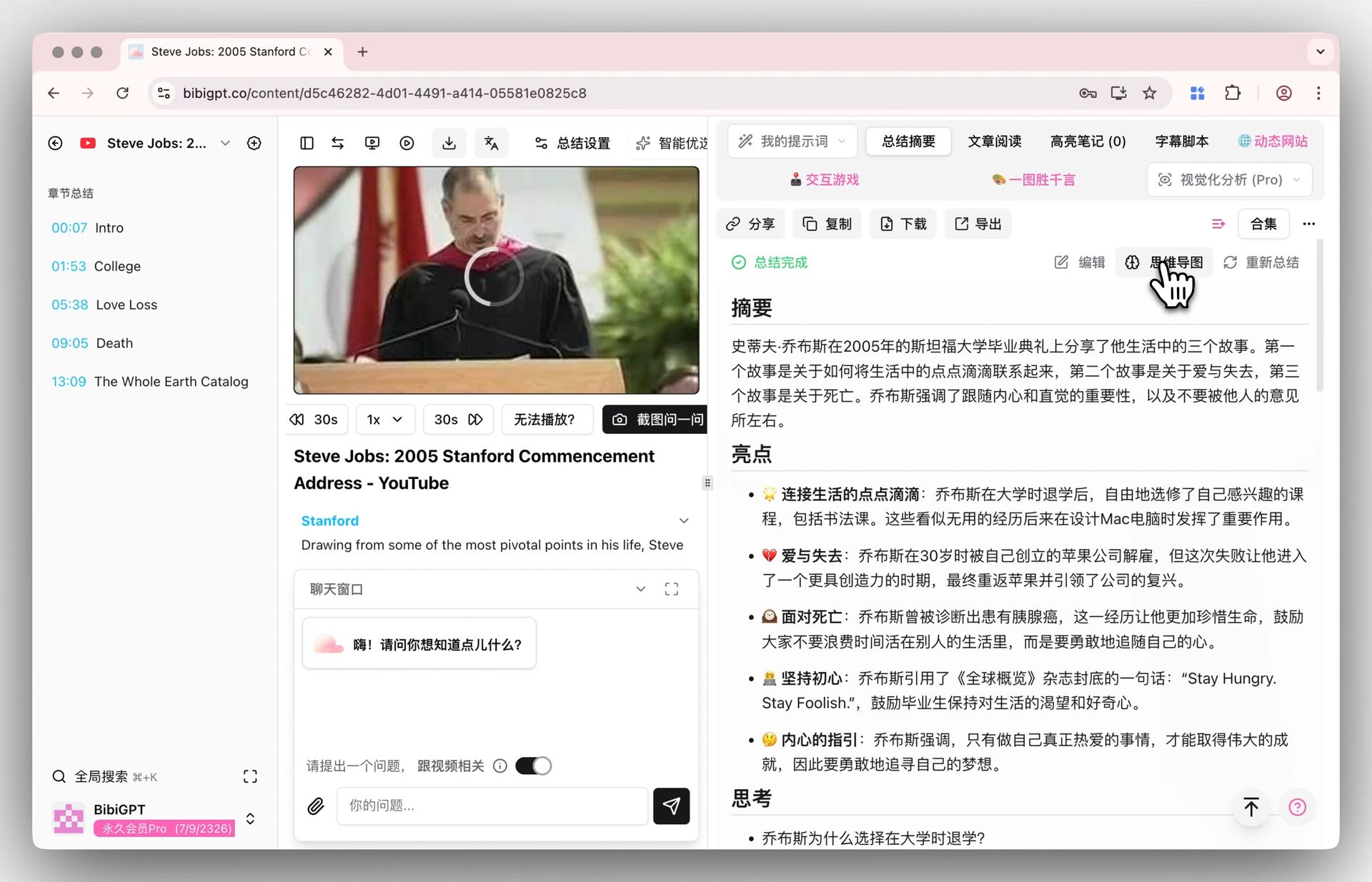
Second Brain + Knowledge Graph: Wire Video Learning Into a Searchable Personal Wiki With BibiGPT (2026 Hands-On)
Second brain workflow searches spiked 10x in May 2026. This guide walks the full pipeline: BibiGPT video notes -> Notion / Obsidian -> knowledge graph. Includes prompt templates, bidirectional linking, Mermaid visualization, and cross-video Q&A. Build your video knowledge graph in 3 steps.
-
Methodology ·
SQ3R Reading Method x AI Video Learning: A 5-Step Workflow to Actually Learn from Videos and Podcasts (BibiGPT, 2026)
SQ3R (Survey/Question/Read/Recite/Review) is a classic active reading method. This guide ports it to AI video and podcast learning — paste a link into BibiGPT and use the 5-step framework for chapter preview, AI Q&A, deep reading, recitation, and spaced review.
-
Methodology ·
GTD × AI Video Learning: Turn Watched Videos into Actionable Tasks (5-Step BibiGPT Method, 2026)
You watched 30 videos this month — what did you actually do? Apply David Allen's GTD (Getting Things Done) 5 stages to AI video learning: Capture / Clarify / Organize / Reflect / Engage. Turn each video into next-actions, not forgotten highlights. BibiGPT workflow inside.
-
Methodology ·
Build a Second Brain With AI Video & Podcast Summaries: 2026 PKM Workflow Methodology
Plug AI video summaries into Tiago Forte's CODE framework: Capture, Organize, Distill, Express — with Notion / Obsidian integration. The 2026 update for video-heavy knowledge workers.