Gemini 4 Models Explained — Argon vs Carbon vs Hydrogen

TL;DR — Gemini 4 drops Pro and Flash for element names. Carbon (2026-11-10) is the strongest and slowest. Argon (2026-10-13) is the frontier default. Hydrogen (2026-11-12) is the fast, cheap one at $1.50/$7.50 per 1M tokens, the Flash slot. All three take video, audio, and PDF with a 1M-token context. Paste a video link to try them.

2026-11-12 Hydrogen $1.50 / $7.50 · Argon & Carbon $2 / $10 Live demo below

Paste the video. Then pick the Gemini 4 model.

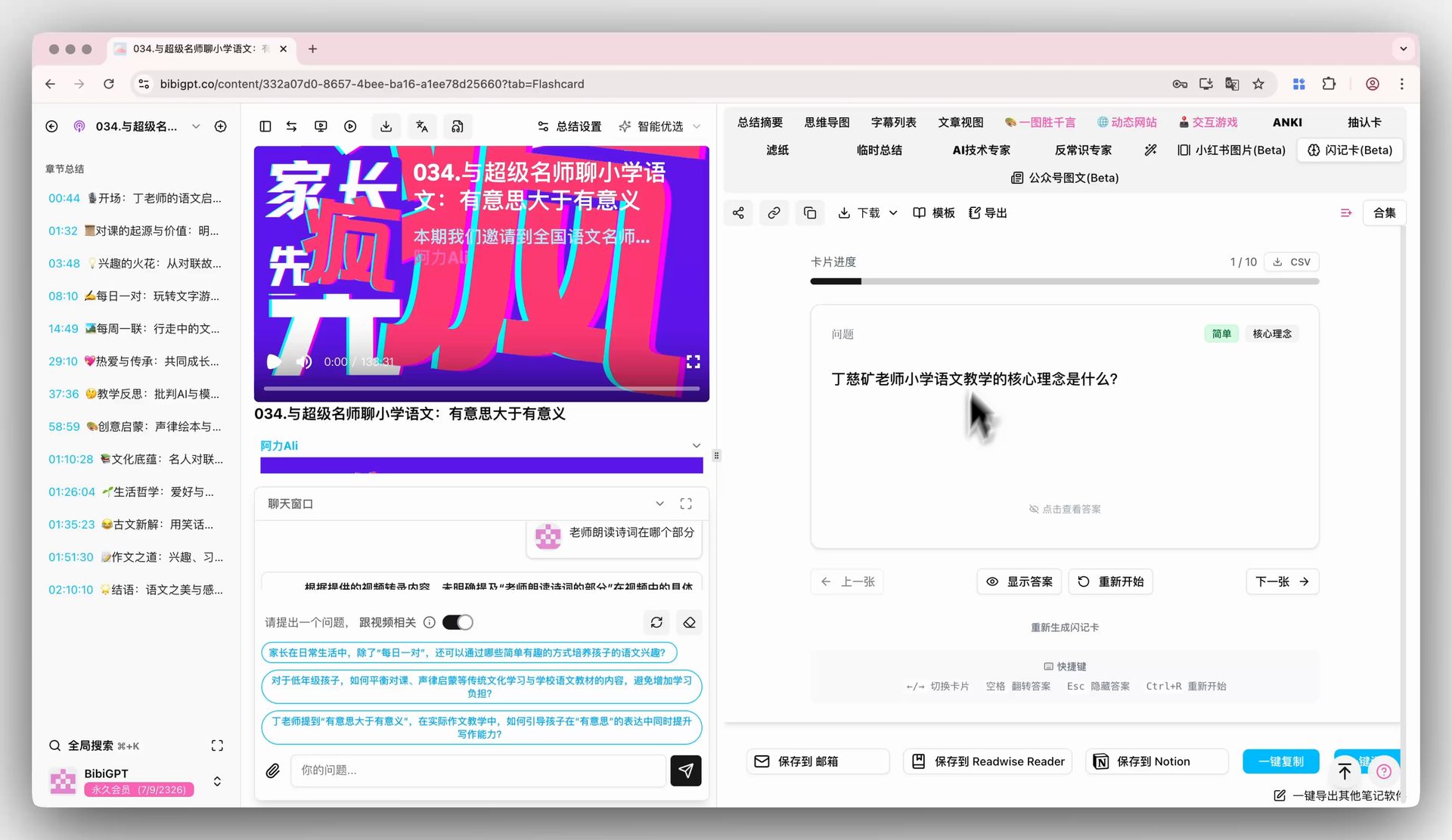
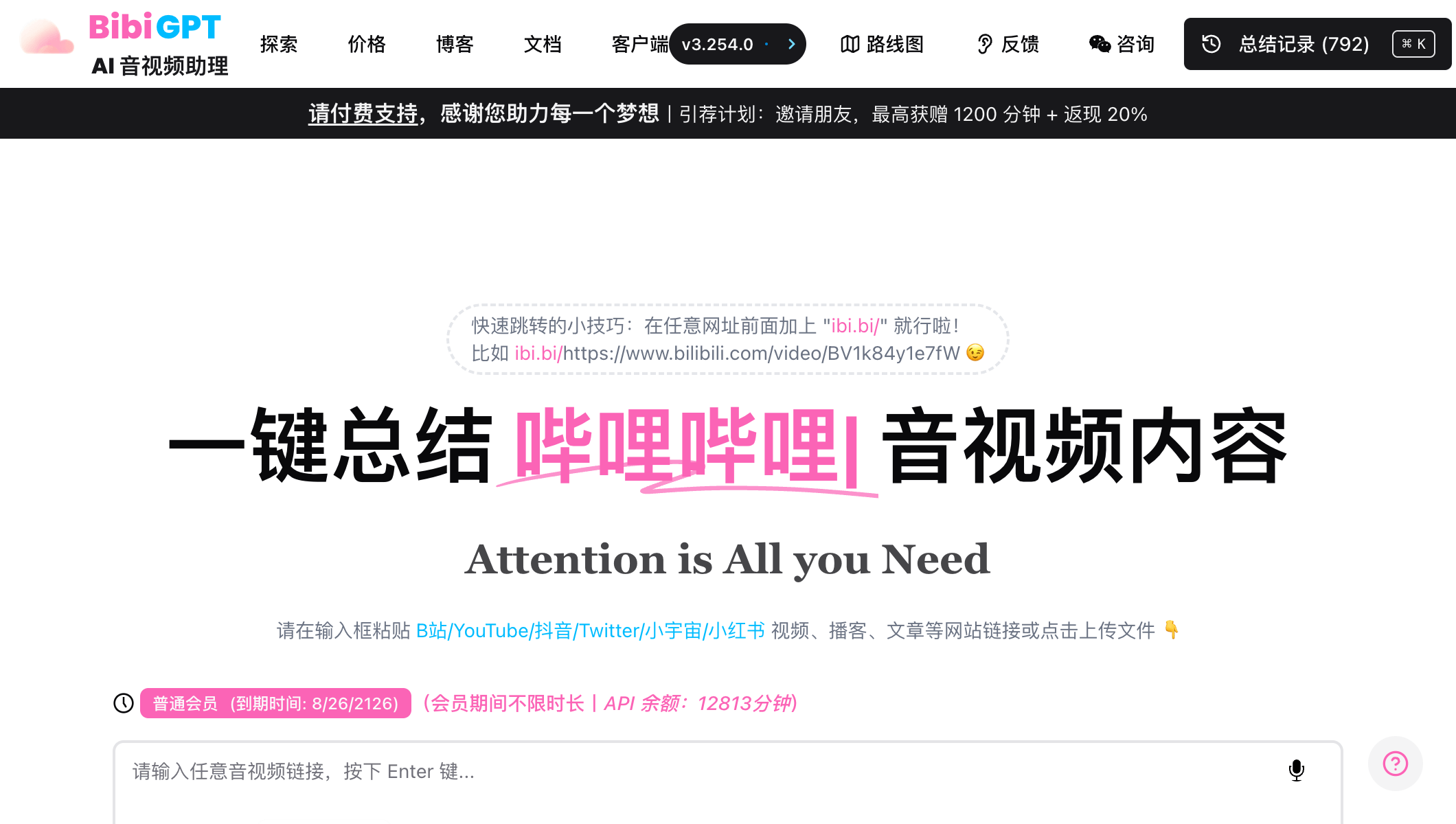
Paste a video or podcast URL. BibiGPT returns chapters, a transcript, and a summary. Choose Gemini 4 Hydrogen for everyday videos, or Argon and Carbon for dense material.

Add BibiGPT as a preferred source on Google See more BibiGPT in Top Stories and AI answers.

Key facts (90-second read)

As of 2026-11-12, Gemini 4 has three models. Carbon and Argon are the frontier pair at $2/$10 per 1M tokens until 2026-11-30, then $4/$20. Hydrogen is the Flash-tier model at $1.50/$7.50 with no intro discount. All share a 1M-token context and video input. For most video summaries, start with Hydrogen; switch to Argon or Carbon for dense lectures and long technical material.

Features

How the Gemini 4 names work

Gemini 4 drops the Pro / Flash / Flash-Lite labels. Each model gets an element name instead. Google has not published a reason for the names, so read the tier from the price and the positioning, not from the element.

Carbon: the strongest, for the hardest tasks

API id gemini-4-carbon. Google calls it its strongest model, built for long-horizon coding, cybersecurity, and open-ended research. It uses more tokens than Argon to reason and verify. Announced 2026-10-28, available 2026-11-10.

Argon: the frontier default

API id gemini-4-argon. Released 2026-10-13. Google says Argon remains the right choice for most software engineering and knowledge work. Carbon and Argon share one price: $2/$10 per 1M tokens until 2026-11-30, then $4/$20.

Hydrogen: the fast one that takes the Flash slot

API id gemini-4-hydrogen. Released 2026-11-12, adapted from Carbon. $1.50/$7.50 per 1M tokens with no intro discount, which is exactly the list price of Gemini 3.8 Flash. Google pitches it as the upgrade for teams on 3.8 Flash.

What all three share

The tiers differ in depth and price, not in what they can read. That matters for video: you do not lose video input by picking the cheap one.

Video, audio, image, and PDF in

Google's model pages list text, image, video, audio, and PDF input with text output for Argon, Carbon, and Hydrogen. Each has a 1,048,576-token context window shared by input and output.

Thinking levels: Hydrogen adds xhigh

Argon and Carbon support low, medium, and high. Hydrogen supports low, medium, high (its default), and a new xhigh. Minimal is not on any of the three pages; in our test Hydrogen returned HTTP 400 for it.

Up to 1M output tokens with long decode

Default synchronous output is 65,536 tokens. With Google's long-decode protocol, output can run up to the full 1M window. For summaries you will rarely need it; for full transcripts and translations it helps.

5 things to know about Gemini 4 (90-second read)

How the family arrived and what each launch changed.

  1. 1

    2026-10-13: Argon opens the family

    Gemini 4 Argon launched as Google's frontier model at an intro price of $2/$10 per 1M tokens, rising to $4/$20 after 2026-11-30. It introduced the 1M unified input-output token limit.

  2. 2

    2026-10-28 to 11-10: Carbon goes above Argon

    Carbon was announced on 2026-10-28 as Google's strongest model and opened to paying API users on 2026-11-10 at the same price as Argon. Google keeps Argon as the default for most work.

  3. 3

    2026-11-12: Hydrogen fills the Flash slot

    Hydrogen is adapted from Carbon and priced at $1.50/$7.50, the 3.8 Flash list price. Google says it finishes tasks 2.5x faster than 3.8 Flash at high thinking and scores 51 vs Argon's 50 on the Artificial Analysis index.

  4. 4

    Names, not sizes

    Pro and Flash are gone from the names. Google has not said why it chose elements. Read the tier from price and positioning: Carbon and Argon are frontier, Hydrogen is the fast one.

  5. 5

    Same inputs, different depth

    All three accept video, audio, image, and PDF with a 1M context. The choice is about how hard the task is and how long you will wait, not about which files the model can open.

Gemini 4 Argon vs Carbon vs Hydrogen

From Google's launch posts, model pages, and pricing page, checked 2026-11-12. Speed row is our own direct API test at low thinking.

Gemini 4 Hydrogen Gemini 4 Argon Gemini 4 Carbon
Role Fast everyday model (Flash slot) Frontier default Strongest, hardest tasks
API id gemini-4-hydrogen gemini-4-argon gemini-4-carbon
Released 2026-11-12 2026-10-13 2026-11-10 (announced 10-28)
Price per 1M tokens (in / out) $1.50 / $7.50 $2 / $10 until 11-30, then $4 / $20 $2 / $10 until 11-30, then $4 / $20
Context window 1,048,576 1,048,576 1,048,576
Inputs Text, image, video, audio, PDF Text, image, video, audio, PDF Text, image, video, audio, PDF
Thinking levels low, medium, high (default), xhigh low, medium, high low, medium, high
Where it is available All API tiers, Gemini app, Search API; Gemini app for AI Pro and Ultra Paid API; Gemini app for AI Ultra
600-word note, our test 7.6–8.3 s 12.9–13.4 s Not tested

Which Gemini 4 model to pick for audio and video

The link becomes a transcript first. Then the model you pick writes the summary.

Everyday videos and podcasts: Hydrogen

Vlogs, interviews, news, and most YouTube videos. Hydrogen is the fastest of the three and the cheapest per token. In our test it summarized a 19-minute talk in 15 seconds vs 18 for 3.8 Flash.

Dense lectures and earnings calls: Argon

Courses with slides, earnings calls, legal or technical talks where you will act on the notes. Argon spends more reasoning per answer. Google recommends it for most knowledge work.

The hardest material: Carbon

Long research talks, multi-hour technical sessions, or follow-up questions that need careful reasoning across the whole transcript. Carbon is slower and uses more tokens; save it for when Argon is not enough.

Related BibiGPT pages

Each model launch keeps its own page so the intents do not collide.

Sources

Every number on this page comes from one of these Google pages, checked 2026-11-12.

What are Gemini 4 Argon, Carbon, and Hydrogen?

What are Gemini 4 Argon, Carbon, and Hydrogen?

They are the three Gemini 4 models Google released in October and November 2026. Element names replace the old Pro and Flash labels. Carbon is the strongest, Argon is the frontier default, and Hydrogen is the fast, low-cost model priced like Gemini 3.8 Flash. All three read video, audio, and PDF.
Loved by creators, students & researchers

Why people use BibiGPT to turn videos into text every day.

Trusted by 50,000+ users worldwide

★★★★★

“I paste a link and get clean captions in seconds — it saves me hours of retyping every single week.”

Maya R.

Content Creator · Repurposes short videos

★★★★★

“Exporting the transcript lets me review new words at my own pace instead of pausing the video constantly.”

Daniel K.

Language Learner · Studies with real videos

★★★★★

“Accurate, timestamped text I can quote directly. It has quietly become part of my daily workflow.”

Priya S.

Researcher · Cites public talks

Frequently Asked Questions

Ask us anything!

Popular guides

Pick the Gemini 4 model after the video is in.

Paste a YouTube, lecture, or podcast URL into BibiGPT. You get chapters, a transcript, and a summary. In the model list, choose Gemini 4 Hydrogen for everyday videos, or Argon and Carbon when the material is hard.