Podcast to Article
Paste a podcast link — Xiaoyuzhou, Apple Podcasts, or YouTube — or upload the audio. BibiGPT transcribes the episode, keeps the dialogue structure, and drafts an SEO-ready article you can export as Markdown and publish. A one-hour episode is drafted in about 5–10 minutes.
Convert your podcast right here
Paste a podcast URL or upload an MP3, and AI turns it into a publish-ready, SEO-optimized article.

The podcast-to-article workflow (2026)
Paste a podcast episode link — Xiaoyuzhou (小宇宙), Apple Podcasts, or YouTube — or upload the audio file (MP3, WAV, M4A, AAC). BibiGPT transcribes the episode, separates the speakers, and maps the conversation into sections. It then drafts an SEO-ready article: a working headline, subheadings that follow the episode's topics, bullet-point takeaways, and quotable lines pulled straight from the audio. Export the draft as Markdown, polish it in your own editor or Notion, and publish. A one-hour episode typically becomes a working draft in 5–10 minutes.
Features
Benefits of Podcast to Article
One paste replaces the manual chain of transcribing, cleaning timestamps, and restructuring notes: BibiGPT turns an episode link or audio file into a structured article draft with the dialogue intact — ready to export as Markdown and edit.
Save Hours of Work
No more manual transcription and editing. Get a publishable article in minutes.
SEO-Optimized Content
Generated articles are structured for search engines, helping you reach more readers.
Preserve Dialogue Structure
AI recognizes conversation flow and maintains the natural dialogue format.
Boost Shareability
Turn audio content into shareable text that reaches audiences who prefer reading.
How to turn a podcast into an article, step by step
Four steps from audio to a publishable draft — no manual transcription and no copy-pasting between tools. Workflow current as of 2026.
- 01
Paste the episode link
Drop in an episode URL from Xiaoyuzhou (小宇宙), Apple Podcasts, or YouTube — or upload the audio file directly (MP3, WAV, M4A, AAC). No format conversion or pre-editing needed.
- 02
AI transcribes and structures it
The episode is transcribed with over 95% accuracy on clear audio, speakers are told apart automatically, and the conversation is mapped into logical sections — intro, main topics, and takeaways.
- 03
Get an SEO article draft
BibiGPT drafts the full article: a working headline, subheadings that mirror the episode's flow, key points as scannable bullets, and pull quotes worth citing. Dialogue structure is kept where it adds value.
- 04
Export Markdown, edit, publish
Export the draft as Markdown or copy it into Notion and other editors. Add your own intro and context, tighten the quotes, then publish to your blog or newsletter — every section traces back to the transcript.
BibiGPT vs Castmagic vs Podsqueeze vs Descript (2026)
The main routes from podcast audio to written content, compared. Capabilities and pricing checked against each vendor's published plans and independent reviews, July 2026.
| What you need | BibiGPT | Castmagic | Podsqueeze | Descript |
|---|---|---|---|---|
| Built for | Turning a pasted podcast link into a structured, SEO-ready article draft | Podcast marketing content suite: show notes, social posts, newsletters, clips | Podcast show notes, timestamps, and social snippets per episode | Audio/video editing suite with transcription at its core |
| Input | Paste an episode URL (Xiaoyuzhou, Apple Podcasts, YouTube) or upload audio | Upload audio/video files or connect an RSS feed | Upload an episode or connect your podcast RSS feed | Record or import media into an editing project |
| Article output | Full draft: headline, subheadings, key takeaways, pull quotes; Markdown export | Blog drafts among many asset types, driven by prompt templates | Show notes, newsletters, and social posts; episode recaps rather than full SEO articles | Transcript-first; long-form article writing is not the core workflow |
| Free usage | Free monthly AI minutes to test; article drafting included in paid plans | Free trial with a limited number of files, then subscription | Free plan with roughly 50 minutes of processing per month | Free plan with about 1 transcription hour per month |
| Paid plans | Subscription or pay-as-you-go credits — pay only for what you process | Subscription-first, from about $23–39/month up to $99+/month | From about $12/month for 160 processing minutes | From about $16/user/month with annual billing |
| Chinese podcasts & languages | Paste Xiaoyuzhou (小宇宙) links directly; drafts in Chinese, English, Japanese, or Korean | No direct Xiaoyuzhou integration — upload the file or use RSS | No direct Xiaoyuzhou integration — upload the file or use RSS | No podcast link input — import the audio file into a project |
| Beyond the article | Summary, mind map, subtitles, and AI Q&A on the same episode | Clips, social posts, newsletters, and email drafts | Timestamps, newsletters, and social snippets | Full editing: filler-word removal, multitrack, screen recording |
Who runs this workflow every week
Three groups that routinely turn episodes into articles — and what the workflow saves them.
Podcast hosts — make the back catalog searchable
Turn each episode into an SEO article so search engines and AI assistants can find the ideas inside your audio. A 100-episode back catalog becomes 100 indexable pages instead of zero.
Content & marketing teams — one interview, a week of content
An expert interview becomes an article draft, a newsletter section, and quotable lines for social — without anyone re-listening to the hour. It closes the repurposing gap nearly half of B2B teams report.
Writers covering Chinese-language podcasts
Paste a Xiaoyuzhou (小宇宙) link and get a structured draft with quotes in minutes — then translate it or publish bilingual notes for readers who don't listen in Chinese.
Why turn podcasts into articles — the data
External research behind this workflow: podcast audiences are mainstream, but audio stays invisible to search until someone publishes the text.
-
55% of Americans age 12+ consumed a podcast in the past month — an estimated 158 million people, more than double the 2017 share.
Edison Research, The Infinite Dial 2025 ↗ -
Weekly podcast consumption grew from 15% of Americans in 2017 to 40% in 2025 — episodes now ship faster than most teams can repurpose them by hand.
Edison Research, The Infinite Dial 2025 ↗ -
Nearly half (48%) of B2B marketers say "not enough content repurposing" is a challenge when scaling content production.
Content Marketing Institute, B2B Content Marketing Benchmarks 2025 ↗
Loved by creators, students & researchers
Why people use BibiGPT to turn videos into text every day.
Trusted by 50,000+ users worldwide
“I paste a link and get clean captions in seconds — it saves me hours of retyping every single week.”
Maya R.
Content Creator · Repurposes short videos
“Exporting the transcript lets me review new words at my own pace instead of pausing the video constantly.”
Daniel K.
Language Learner · Studies with real videos
“Accurate, timestamped text I can quote directly. It has quietly become part of my daily workflow.”
Priya S.
Researcher · Cites public talks
FAQ'S
Frequently Asked Questions
Ask us anything!
Popular guides
 1
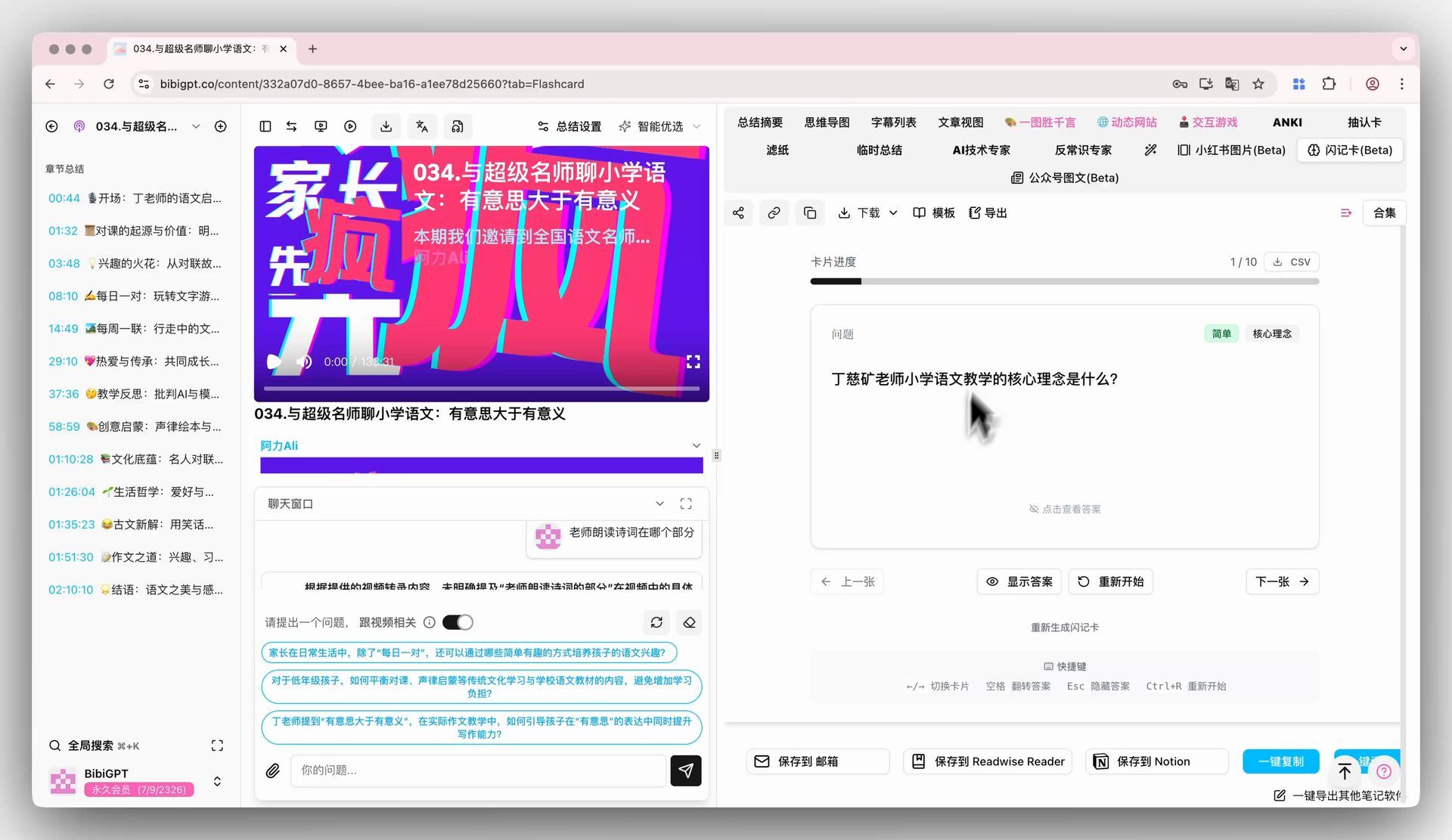
1 AI Student Study Workflow 2026: Microsoft Study Agent + Laxu AI + BibiGPT Combo — 5 Steps From Lecture Video To Anki Flashcards
2026 student AI study workflow playbook: compare Microsoft Study and Learn Agent, Laxu AI, NotebookLM Education, and BibiGPT — plus a 5-step walkthrough turning lecture videos into Anki flashcards.
 2
2 Bilibili AI Video Summary Tool: BibiGPT Summarizes 30+ Platforms Instantly (2026)
Best Bilibili AI video summary tool 2026? Compare 5 options, then paste a Bilibili link for a free AI recap, mind map, and transcript-style takeaways — no login needed.
 3
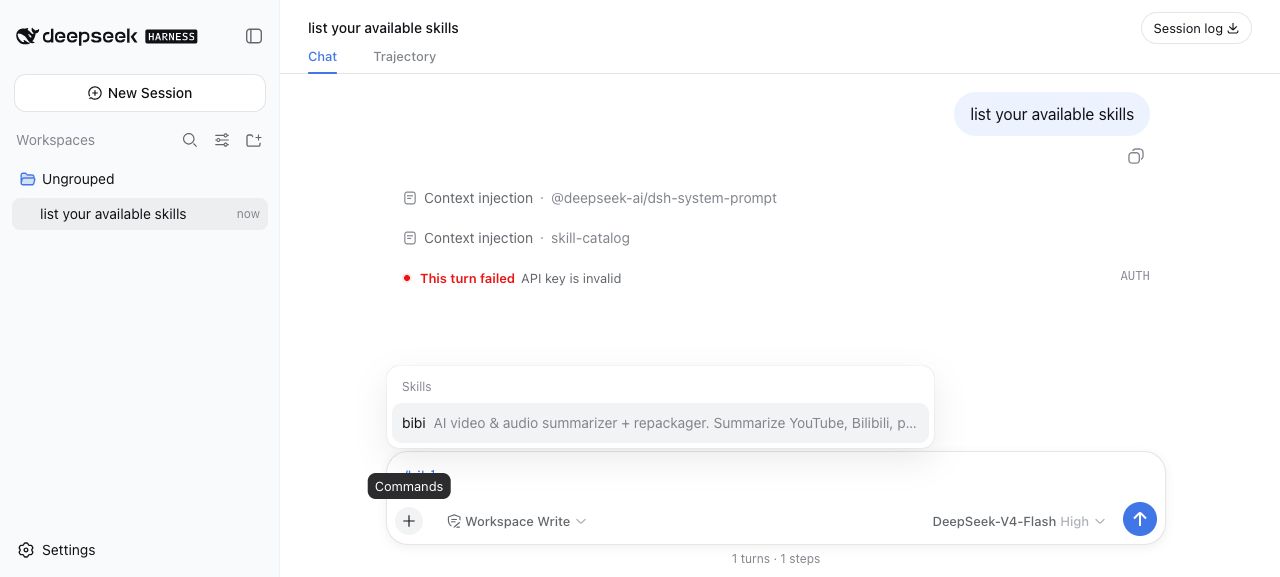
3 How to Install Skills in DeepSeek Harness: A Hands-On Guide to Teaching dsh to Watch Videos
Install a video-summary skill into DeepSeek Harness in one copy-paste — SKILL.md matches Claude Code. Or skip dsh: paste a Bilibili or YouTube link in the browser and get a timestamped summary.
Start Converting Podcasts Now
Paste an episode link, get a structured article draft — headline, subheadings, key points, pull quotes — then export Markdown and publish. Your audio becomes text that search engines and readers can actually find.