GPT-Live-1 Explained — Full-Duplex Voice, Not a Recap Engine

TL;DR — As of 2026-09-15, OpenAI put GPT-Live-1 in the API on 2026-09-10: listen-and-speak at once, ~0.8s turn-taking vs ~1.4s on GPT-Realtime-2.1, $0.05 per minute for the front-end voice layer. It keeps a conversation going. It does not file what last week's meeting decided.

Event · 2026-09-10 Full duplex Live demo below

File the recap. Keep the live call.

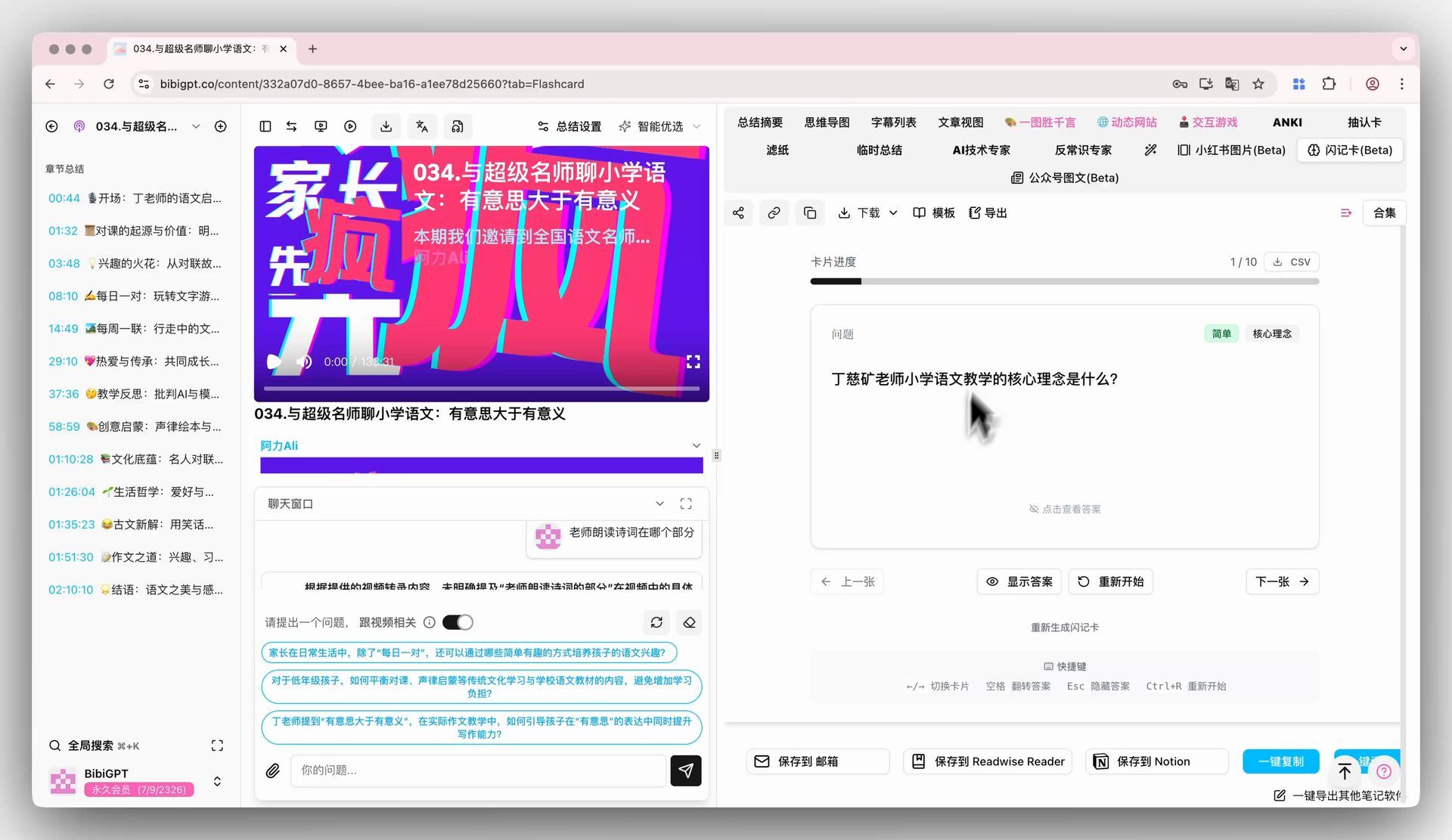
Paste a podcast, lecture, or meeting URL — BibiGPT turns it into chapters, a transcript, and follow-up Q&A. GPT-Live-1 is the interruption layer.

Add BibiGPT as a preferred source on Google See more BibiGPT in Top Stories and AI answers.

Key facts (90-second read)

As of 2026-09-15, OpenAI put GPT-Live-1 in the API on 2026-09-10: full-duplex voice, 0.798s turn-taking vs 1.41s on GPT-Realtime-2.1, $0.05/min for the front-end layer. Backend reasoning is delegated. This is a live conversation product, not a summary engine.

Features

What OpenAI shipped on 2026-09-10

Public numbers from OpenAI's API announcement and developer docs — not a claim that BibiGPT runs this model.

Full duplex: listen while speaking

GPT-Live-1 reasons over incoming and outgoing audio in one model. Callers can interrupt, backchannel, or change direction without a walkie-talkie pause. That is a live call, not a recap.

~0.8s turn-taking, $0.05/min front-end

OpenAI reports 0.798-second turn-taking vs 1.41 seconds for GPT-Realtime-2.1. The voice layer is $0.05 per minute, billed per second. Backend models and tools are billed separately.

12 voices, audio and text only

Launch voices: Quartz, Ripple, Vesper, Willow, Stone, Gleam, Meridian, Bossa, Tempo, Beacon, Delta, Cinder. Inputs and outputs are audio and text. Image input from the Realtime line is not in this card.

Why a live voice layer still leaves a notes gap

A smoother interruption does not timestamp last week's decision. Knowledge work still needs a file you can search next Tuesday.

Live talk is not a searchable archive

GPT-Live-1 keeps the conversation going while a backend looks things up. After the call, you still need chapters, a transcript, and a quote you can find again. That job is async.

Meetings already eat ~30% of the week

Laxis State of Meetings 2026: knowledge workers sit through 21.7 meetings a week, about 30% of the work week. A faster turn-take does not shrink that pile. A timestamped recap does.

Podcasts are time-locked, not supply-locked

Edison Infinite Dial 2026: US podcast listeners average 8 hours 24 minutes a week across 6.8 shows. The leftover episodes need a triage desk, not another live voice. A summary decides which hour is worth playing.

5 key changes (90-second read)

Headline shifts from OpenAI's 2026-09-10 GPT-Live-1 API launch.

  1. 1

    Full duplex instead of turn-taking

    One model reasons over incoming and outgoing audio together. Interruptions, pauses, and backchannels stay in the same session. GPT-Realtime-2.1 waited for a turn to finish.

  2. 2

    Turn-taking ~0.8s, interactivity 80.1%

    OpenAI reports 0.798s turn-taking vs 1.41s for GPT-Realtime-2.1, and 80.1% on Full Duplex Bench v1.5 interactivity vs 45.4%. Those scores are OpenAI's evals, restated here, not a test we ran.

  3. 3

    $0.05/min front-end; backend billed apart

    Voice sessions cost $0.05 per minute, billed per second. Deeper reasoning and tools go to a backend you choose and pay separately. The list price is OpenAI's, not a BibiGPT SKU.

  4. 4

    12 voices; audio and text only

    Quartz, Ripple, Vesper, Willow, Stone, Gleam, Meridian, Bossa, Tempo, Beacon, Delta, Cinder. Native ASR transcripts and reply text. No image or video input on this card.

  5. 5

    Delegation, not a recap file

    GPT-Live-1 can keep talking while a backend looks up an order or runs a tool. After the session, you still need chapters and a transcript you can search next week. That is the BibiGPT path, not a GPT-Live-1 integration.

3 typical scenarios for BibiGPT users

Where a live voice layer helps — and where a notes workflow still does the work.

You host or cut a weekly podcast

US listeners average 8 hours 24 minutes a week across 6.8 shows (Edison Infinite Dial 2026). A live voice API does not triage the backlog. Generate chapters first, then decide which hour is worth a full listen.

You sit through 20+ meetings a week

Laxis 2026: 21.7 meetings a week, about 30% of the work week. A 0.8-second interrupt is useful on the call. Next Tuesday you still need the sentence that was decided. File the recording; search the transcript.

You already have a lecture recording

Paste the URL. Get chapters before you press play, jump to a timestamp, export Markdown. GPT-Live-1 does not have to be in the loop. The notes workflow already runs on files you own.

Related BibiGPT pages

The notes workflow is the product. The blog owns the long method. This page owns the event.

Sources

Launch claims come from OpenAI's announcement and independent coverage. Last updated 2026-09-15. Not an integration claim.

What is GPT-Live-1?

What is GPT-Live-1?

GPT-Live-1 is OpenAI's full-duplex voice API, released to developers on 2026-09-10. Full duplex means the model listens and speaks at the same time, like a phone call rather than a walkie-talkie. It handles the live turn. It does not file a searchable recap of the call.

Loved by creators, students & researchers

Why people use BibiGPT to turn videos into text every day.

Trusted by 50,000+ users worldwide

★★★★★

“I paste a link and get clean captions in seconds — it saves me hours of retyping every single week.”

Maya R.

Content Creator · Repurposes short videos

★★★★★

“Exporting the transcript lets me review new words at my own pace instead of pausing the video constantly.”

Daniel K.

Language Learner · Studies with real videos

★★★★★

“Accurate, timestamped text I can quote directly. It has quietly become part of my daily workflow.”

Priya S.

Researcher · Cites public talks

Frequently Asked Questions

Ask us anything!

Popular guides

Keep the live call. File the recap.

Paste a podcast, lecture, or meeting recording into BibiGPT. You get chapters, a searchable transcript, and follow-up Q&A. GPT-Live-1 handles the interruption. The notes still need a timestamp.